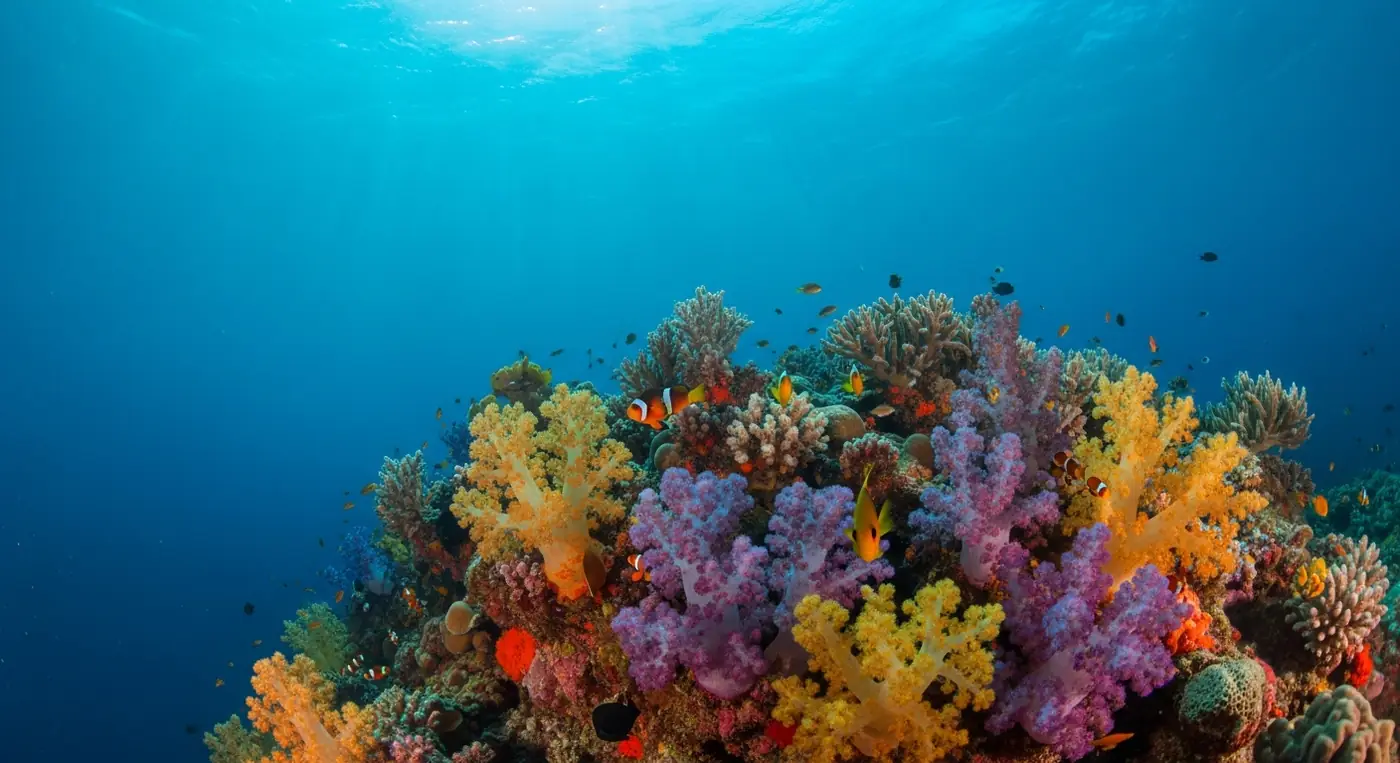
Maumere diving in East Flores offers incredible underwater experiences, from vibrant coral gardens to macro diving opportunities. Despite the 1992 earthquake’s impact, the region’s reefs have demonstrated impressive recovery, drawing divers back to explore the biodiversity-rich waters. Advanced Open Water certification is recommended for most sites.
1992 Earthquake and Tsunami Impact on Maumere
In 1992, a powerful earthquake struck the region, followed by a devastating tsunami. This natural disaster significantly affected Maumere’s underwater landscape, altering many dive sites and impacting marine life. The earthquake created new formations, such as The Crack dive site, becoming a unique attraction for divers.
Recovery of Reefs and Dive Sites Post-1992
Since the 1992 earthquake, Maumere’s reefs have shown remarkable resilience. Efforts by local and international conservation groups have facilitated the recovery of coral gardens and marine habitats. Now, divers can witness thriving biodiversity, with healthy coral formations and a variety of marine species.
Top Macro Diving Locations in Maumere
Maumere is renowned for its macro diving, providing opportunities to spot rare and fascinating critters. Key sites include:
- Nangalili Beach: Ideal for spotting nudibranchs and tiny crustaceans.
- Wair Terang: Known for its diverse muck diving experiences.
These locations offer a haven for underwater photographers seeking detailed macro shots.
Best Wall Diving Spots Around Maumere Islands
Wall diving in Maumere offers spectacular vertical landscapes, teeming with life. Wair Terang is a standout site, providing a beautiful wall dive experience with moderate currents, suitable for Open Water certification divers.
Underwater Biodiversity and Marine Life in Maumere
Maumere’s waters are home to a diverse array of marine life. Divers can encounter reef sharks, turtles, and vibrant coral gardens. The biodiversity here is a a sign of the resilience and recovery of the marine ecosystem post-1992.
Gateway to Pantar, Alor, and Eastern Indonesia Diving
Maumere serves as a gateway to further adventures in eastern Indonesia, including Pantar and Alor. These areas are known for their strong currents and steep walls, recommended for Advanced Open Water divers.
Hatta Reef and Banda Neira Dive Highlights
While exploring eastern Indonesia, divers often visit Hatta Reef and Banda Neira, known for their pristine conditions and historical significance. These sites offer a blend of vibrant marine life and intriguing underwater landscapes.
The Crack Dive Site: Scar from 1992 Quake
The Crack, formed by the 1992 earthquake, presents a unique diving experience. This site showcases the power of nature and offers divers a glimpse into geological history.
Santai Divers and Solitude Adventurer Experiences
For those seeking guided experiences, both Santai Divers and Solitude Adventurer offer comprehensive diving packages. These operators provide expertise and safety, ensuring memorable dives in Maumere.
Macro vs. Wide-Angle Photography Opportunities
Maumere caters to both macro and wide-angle photography enthusiasts. While macro divers focus on critters, wide-angle photographers can capture the grandeur of coral gardens and walls. Investing in appropriate equipment enhances the underwater photography experience.
What’s included
- Guided dives with experienced instructors
- Equipment rental options
- Local transportation to dive sites
- Refreshments between dives
Who it’s for / Certification
Most dive sites in Maumere require Advanced Open Water certification, given the moderate currents and depth. However, some sites like Wair Terang are suitable for Open Water divers.
How do I plan a diving trip to Maumere and nearby islands?
Planning involves booking accommodations, arranging transportation, and selecting dive operators like Flores Diving. Consider the best season from May to September, and plan early for the peak weeks of 2027, as liveaboard cabins can fill months ahead.
FAQ
-
What happened to Maumere diving after the 1992 earthquake?
The 1992 earthquake caused significant changes to Maumere’s underwater landscape, creating new dive sites and affecting marine habitats.
-
Are the dive sites in Maumere recovered from the 1992 tsunami?
Yes, Maumere’s dive sites have largely recovered, with thriving coral gardens and rich marine biodiversity.
-
What are the best macro diving spots in Maumere?
Nangalili Beach and Wair Terang are top spots for macro diving, offering sightings of rare critters like nudibranchs and crustaceans.
-
How do I plan a diving trip to Maumere and nearby islands?
Coordinate with dive operators, choose the best season, and book in advance for popular weeks. Contact Flores Diving for tailored packages.
To explore the wonders of Maumere and beyond, plan your dives on WhatsApp with Flores Diving, operated by Komodo Luxury.
Safety and Logistics for Maumere Diving Trips
When planning a diving trip to Maumere, understanding the safety aspects and logistics is crucial. Maumere offers diverse dive sites, from macro diving opportunities to impressive wall diving experiences. However, the region’s history of strong underwater currents requires divers to have at least an Advanced Open Water certification. The 1992 earthquake and subsequent tsunami impacted the reefs significantly, but recovery efforts have led to a resurgence in marine biodiversity.
For safe diving in Maumere, consider the following:
- Certification Requirement: Advanced Open Water or higher recommended.
- Best Season: May to September, with water temperatures ranging from 26°C to 29°C.
- Costs: Expect to pay USD 100–150 for a two-tank day dive.
- Local Operators: Dive with experienced operators like Santai Divers and Solitude Adventurer.
Logistically, reaching Maumere involves flying into Frans Seda Airport, followed by a short transfer to your accommodation. For comprehensive dive packages, consider liveaboard options that also explore nearby regions such as Alor and Pantar. Ensure to book in advance, especially from February 2026 when visitor limits will be enforced.
For more detailed dive site information, visit our Maumere diving page.
Future of Maumere as a Premier Diving Destination
Maumere is poised to become a premier diving destination, thanks to its rich marine life and coral gardens that are part of the broader underwater Asia ecosystem. The Crack dive site and Hatta Reef offer unique underwater landscapes, drawing divers looking for both challenge and beauty. The area’s potential was somewhat hindered by the 1992 earthquake and tsunami, yet the resilient reef recovery has spurred new interest in its dive sites.
Looking ahead to 2027, Maumere is expected to see increased international recognition. This is due, in part, to improved infrastructure and an emphasis on sustainable tourism practices. With a visitor limit of 1,000 per day at Komodo National Park starting in February 2026, divers will need to plan well in advance.
| Course | Cost (USD) |
|---|---|
| PADI Open Water | 350–450 |
| Advanced Open Water | 400–500 |
| Divemaster | 800–1000 |
To prepare for this future, local dive operators are focusing on enhancing diver safety and enriching diver experiences. This includes offering specialized courses and liveaboard trips to nearby diving meccas like Alor and Banda Neira.
Start planning your future dive adventures by checking out our Flores dive sites guide.
Feel free to plan your 2027 Flores dive trip on WhatsApp.
Impact of the 1992 Earthquake and Tsunami on Maumere Diving
In 1992, a significant earthquake-triggered tsunami struck Maumere, causing extensive damage to the coastal regions of Flores Island. The natural disaster left a profound impact on the underwater ecosystems, affecting both marine life and diving infrastructure. Dive sites that were known for their vibrant coral gardens and rich biodiversity faced structural changes, with many corals being uprooted or buried under sediments.
The local diving community had to grapple with these changes, as many dive sites required reassessment for safety and accessibility. Operators like Santai Divers took time to evaluate new conditions, prioritizing diver safety and site viability. It’s crucial to remember that while the earthquake altered the seascape, Maumere remains a resilient diving destination, adapting and evolving in the face of such challenges.
For divers planning a trip, understanding the historical context of these events provides valuable insight into the current state of the dive sites. Although the landscape was altered, the marine biodiversity has gradually adapted, offering unique diving experiences today.
- Earthquake Date: December 12, 1992
- Tsunami Height: Up to 26 meters
- Primary Impact: Coastal and underwater topography
For more information on diving around Flores, you can explore our Alor diving pages.
Recovery of Reefs and Dive Sites Post-1992
Following the 1992 tsunami, the reefs around Maumere began a gradual recovery. Thanks to concerted efforts by local communities and dive operators, several key dive sites have shown significant ecological restoration. Initiatives focused on coral transplantation and marine protected areas have been pivotal in this recovery process.
Encouragingly, sites like Hatta Reef and The Crack have seen a resurgence of marine life, with an increase in fish populations and coral health. These efforts have not only restored biodiversity but have also rejuvenated Maumere as a diving destination. Today, divers can witness the resilience of these ecosystems, a a sign of both nature’s endurance and local conservation efforts.
To ensure the longevity of these sites, sustainable diving practices are emphasized. Divers are encouraged to maintain buoyancy and avoid contact with corals to prevent further damage. Dive operators continue to monitor and manage the sites, ensuring that Maumere remains a viable and thriving diving mecca.
| Dive Site | Current Status |
|---|---|
| Hatta Reef | Recovered, vibrant corals |
| The Crack | Improved marine life |
Plan your 2027 Flores dive trip on WhatsApp to experience these rejuvenated sites firsthand.
Exploring Top Macro and Wall Diving Sites in Maumere
Maumere offers a unique blend of macro and wall diving experiences, drawing enthusiasts to its diverse underwater landscapes. For macro diving aficionados, the region is a wealth. Sites like Pantar and Alor, known for their rich marine biodiversity, are perfect for spotting nudibranchs, pygmy seahorses, and other small marine creatures.
The vibrant coral gardens in Maumere provide an ideal backdrop for macro photography. Dive operators like Solitude Adventurer offer guided dives, ensuring you make the most of these rich sites. The best season for diving is May through September, with water temperatures ranging from 26–29°C, perfect for comfortable underwater exploration.
For those seeking the thrill of wall diving, sites around the Maumere Islands offer impressive vertical drops and stunning overhangs. The walls are adorned with soft corals and sponges, providing habitat to a myriad of marine life. Popular spots such as “The Crack” offer dramatic underwater vistas that captivate divers with their geological formations and abundant sea life.
- Macro Diving: Pantar, Alor
- Wall Diving: The Crack, Maumere Islands
With a commitment to sustainable tourism and a focus on preserving these delicate ecosystems, Maumere continues to be a top choice for divers worldwide. For more diving options in the region, visit our Maumere diving section.