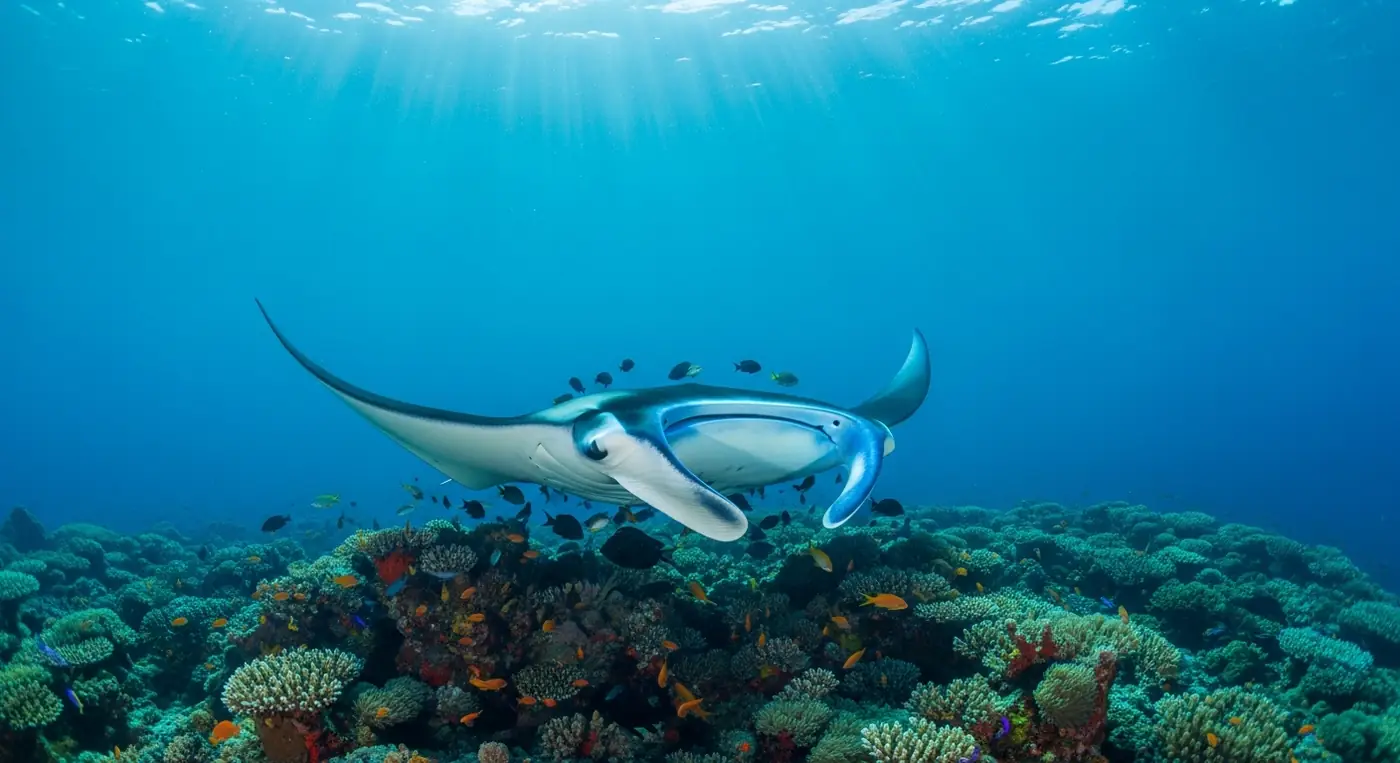
Komodo diving offers a thrilling experience with strong currents and diverse marine life. Sites like Manta Point and Batu Bolong are renowned for manta rays and dramatic underwater landscapes. Advanced Open Water certification is recommended for most sites. Explore with caution and consult experienced operators.
Best Dive Sites in Komodo National Park
Komodo National Park, located near Labuan Bajo, Flores, boasts numerous dive sites known for their challenging currents and extraordinary marine life. For those with Advanced Open Water certification, sites like Batu Bolong and Castle Rock offer thrilling dives with the chance to see pelagics and vibrant corals. Beginners can explore calmer waters at Siaba Besar.
Manta Ray Cleaning Stations: Manta Point and Manta Alley
Manta Point, also known as Karang Makassar, and Manta Alley are renowned for their manta ray cleaning stations. The best time to dive here is from November to April, when manta rays are frequently spotted. These sites have moderate currents and require Advanced Open Water certification for safety.
Strong Current Dives: Batu Bolong, Shotgun, and Castle Rock
For those seeking an adrenaline rush, Batu Bolong and Shotgun are perfect picks. Both sites feature strong to extreme currents, offering unique opportunities to see large schools of fish and sharks. Castle Rock is equally challenging, with its dramatic pinnacles and swirling waters making it suitable only for experienced divers.
North Komodo Pelagics and Dramatic Pinnacles
The northern part of Komodo is famed for its pelagic encounters and striking underwater pinnacles. Sites like Crystal Rock and Gili Lawa Darat provide thrilling drift dives where you can witness the ocean’s power and beauty. Advanced Open Water certification is essential due to the strong currents.
Crystal Rock and Cauldron: Drift Dives with Corals
Crystal Rock and Cauldron are ideal for drift diving enthusiasts. These sites feature strong currents that guide divers through stunning coral gardens and alongside diverse marine life. Advanced Open Water certification is recommended to safely navigate these dynamic environments.
Macro Marine Life: Frogfish, Scorpionfish, and Nudibranchs
While Komodo is renowned for its large marine creatures, it also offers a rich array of macro life. Keen-eyed divers can find frogfish, scorpionfish, and a variety of colorful nudibranchs hiding amongst the corals. Sites like Cannibal Rock in the south are perfect for macro photography.
Liveaboard vs Day Trip Diving Options from Flores
Divers can choose between liveaboard expeditions and day trips from Flores. Liveaboards offer access to remote sites and multiple dives per day, with prices ranging from USD 250–500 per night. Day trips, starting at USD 100–150 for a 2-tank dive, are ideal for those short on time. Booking well in advance is advised, especially for peak 2027 seasons.
Komodo Dragon Hike Alternative Near Rinca Island
Divers can combine their underwater adventures with a hike to see Komodo dragons on Rinca Island. This is a popular half-day excursion that can be arranged alongside diving schedules, providing a complete Komodo experience.
Seasonal Dive Conditions: July-August Rough Seas
The best diving season in Komodo runs from May to September, with optimal conditions and visibility. However, July to August can bring rough seas, requiring careful planning. Off-peak months like November to April are ideal for manta ray encounters.
Top Dive Operators and PADI Courses in Labuan Bajo
Labuan Bajo hosts several reputable dive operators offering PADI courses from Open Water to Divemaster. Prices are indicative, with Open Water courses starting at USD 350–450. For detailed operator information, visit Komodo Luxury’s diving page.
What’s included
- Dive equipment rental
- Professional guide services
- Safety briefings and surface intervals
- Snacks and refreshments
Who it’s for / certification
Most dive sites require Advanced Open Water certification due to strong currents and depth. Beginners can enjoy sites like Siaba Besar with Open Water certification or join Discover Scuba experiences.
FAQ
What are the best dive sites in Komodo National Park for beginners?
Siaba Besar and the reefs around Mauan offer calmer conditions suitable for Open Water divers and snorkelers.
When is the best time to dive Komodo for manta rays?
The best time for manta ray sightings is from November to April at Manta Point and Manta Alley.
How strong are the currents at Batu Bolong and Shotgun?
Batu Bolong and Shotgun face strong to extreme currents, requiring Advanced Open Water certification and experience with drift diving.
Can you combine diving with seeing Komodo dragons in Rinca?
Yes, many dive operators offer combined packages that include a Komodo dragon hike on Rinca Island.
For personalized dive planning, plan your dives on WhatsApp with Komodo Luxury.
Turtle City: Siaba Besar and Mauan Dive Sites
Siaba Besar and Mauan dive sites are celebrated as “Turtle City” for their frequent turtle sightings, offering divers a chance to witness the vibrant marine life of Komodo National Park. Siaba Besar is particularly popular among beginners due to its gentle currents and shallow depths of 5-25 meters, providing an ideal environment for less experienced divers. The sandy bottom and coral gardens are home to green and hawksbill turtles, making it a rewarding spot for underwater photography.
Just a short distance away, Mauan presents a different diving experience with slightly stronger currents, appealing to more advanced divers. This site offers a drift dive opportunity with its sloping reef and deeper waters reaching up to 30 meters. Divers can expect to encounter a variety of reef fish, occasional manta rays, and of course, the resident turtles. It’s crucial to have at least an Open Water certification, and diving with a guide who knows the local conditions is recommended.
- Location: Central Komodo National Park
- Depth: Siaba Besar (5-25 meters), Mauan (up to 30 meters)
- Best for: Turtle encounters, beginners (Siaba Besar), drift diving (Mauan)
For more diving options around Flores, consider exploring the other dive sites available.
Underwater Biodiversity in UNESCO Komodo National Park
Designated as a UNESCO World Heritage Site, Komodo National Park is renowned for its extraordinary underwater biodiversity. The park’s position within the Coral Triangle ensures a rich tapestry of marine life. Sites like Manta Alley and Batu Bolong are hotspots for witnessing diverse species, including reef sharks, barracudas, and countless colorful reef fish.
Strong currents, particularly at locations such as Castle Rock and Crystal Rock, create nutrient-rich waters that support an array of life. These currents make the park a challenging yet rewarding destination for experienced divers. The cleaning stations found at locations like Karang Makassar and the iconic Manta Point are frequented by manta rays, offering a unique spectacle for divers.
- Location: Komodo National Park
- Key Sites: Manta Point, Batu Bolong, Castle Rock
- Recommended Level: Advanced Open Water certification
To learn about other unique diving regions in the area, check our detailed guide on Komodo diving.
Planning Your Dive Trip to Komodo National Park
When planning a dive trip to Komodo National Park, timing and preparation are key. The best diving conditions occur between May and September, with water temperatures ranging from 26 to 29°C. Given the park’s delicate ecosystem and visitor limit of 1,000 per day starting February 2026, advance booking is essential to secure your spot.
Dive trips typically depart from Labuan Bajo on Flores Island, with options ranging from day dives to liveaboard experiences. A typical 2-tank day dive costs between 100-150 USD, while liveaboard trips range from 250-500 USD per night. For divers seeking certification courses, prices for the PADI Open Water course range from 350-450 USD, making it a comprehensive introduction to the underwater wonders of the park.
| Option | Indicative Cost (USD) |
|---|---|
| 2-tank Day Dive | 100–150 |
| Liveaboard (per night) | 250–500 |
| PADI Open Water Course | 350–450 |
For more information on planning your 2027 dive trip, feel free to plan your 2027 Flores dive trip on WhatsApp.
Best Dive Sites in Komodo National Park
Komodo National Park is recognized for its diverse marine life and varied dive sites, making it a prime destination for divers visiting Flores. Here are some of the standout sites that should be on your itinerary:
- Batu Bolong: Known for its vibrant coral reef and abundant marine life, Batu Bolong is suitable for experienced divers due to its strong currents.
- Castle Rock: This site offers encounters with large schools of fish and pelagic species. The currents can be challenging, so advanced certification is recommended.
- Crystal Rock: Famous for clear visibility and rich marine biodiversity, this site is a must-visit for those with a knack for underwater photography.
- Siaba Besar: Offers a more relaxed dive experience, ideal for beginners looking to enjoy the park’s rich underwater landscapes without the pressure of strong currents.
It’s essential to note that diving in Komodo National Park requires careful planning due to the introduction of a visitor limit of 1,000 per day starting February 2026, necessitating advance bookings. For more information on diving across Flores, consider visiting our Flores dive sites page.
Plan your 2027 Flores dive trip on WhatsApp.
Manta Ray Cleaning Stations: Manta Point and Manta Alley
Manta Point and Manta Alley are renowned for their manta ray cleaning stations, where these majestic creatures gather to be cleaned by smaller fish. These sites offer a unique opportunity to observe mantas in their natural habitat:
- Manta Point (Karang Makassar): Known for its sandy bottom and frequent sightings of manta rays, it’s suitable for divers of all certification levels, although conditions can vary.
- Manta Alley: Located near Rinca Island, this site is often favored for its reliable manta ray encounters. The currents can be unpredictable, making it suitable for more experienced divers.
While manta sightings cannot be guaranteed, both sites provide a high chance due to the mantas’ regular visits for cleaning. It’s advisable to plan your dives between May and September when conditions are optimal with water temperatures ranging from 26-29°C. For those looking to enhance their skills, the Advanced Open Water course is recommended, ranging from USD 400 to 500.
Plan your 2027 Flores dive trip on WhatsApp.
Strong Current Dives: Batu Bolong, Shotgun, and Castle Rock
For thrill-seekers, Komodo National Park offers some of the most exhilarating strong current dives. These sites are not for the faint-hearted and require advanced diving skills:
- Batu Bolong: This site features steep reef walls teeming with marine life. The currents here are strong and unpredictable, demanding careful planning and experienced divers.
- Shotgun (Cauldron): Known for its drift dive experience, Shotgun allows divers to navigate through swift currents across a channel, offering a thrilling ride.
- Castle Rock: A pinnacle dive site famous for its strong currents and pelagic encounters. Advanced divers will find this site rewarding, with opportunities to see large predators.
These dives require not only advanced certification but also experience in handling strong currents. Consider enrolling in a PADI Advanced Open Water course (USD 400–500) to prepare for these challenges. For those planning to explore beyond Komodo, the Riung diving experience on Flores offers alternative dive sites.