– Over 1,000 species of fish and 260 species of coral.
– Year-round diving, with peak seasons from April to November.
– Various packages available to suit different budgets.
Komodo National Park, located in Indonesia, is a renowned diving destination that attracts enthusiasts from around the globe. The park, which encompasses the islands of Komodo, Rinca, Padar, and numerous smaller islets, is famous for its rich biodiversity and dramatic underwater topography. This comprehensive guide will provide you with everything you need to know about diving in Komodo, including the best sites, tips, and essential information to enhance your diving experience.
Overview of Komodo National Park
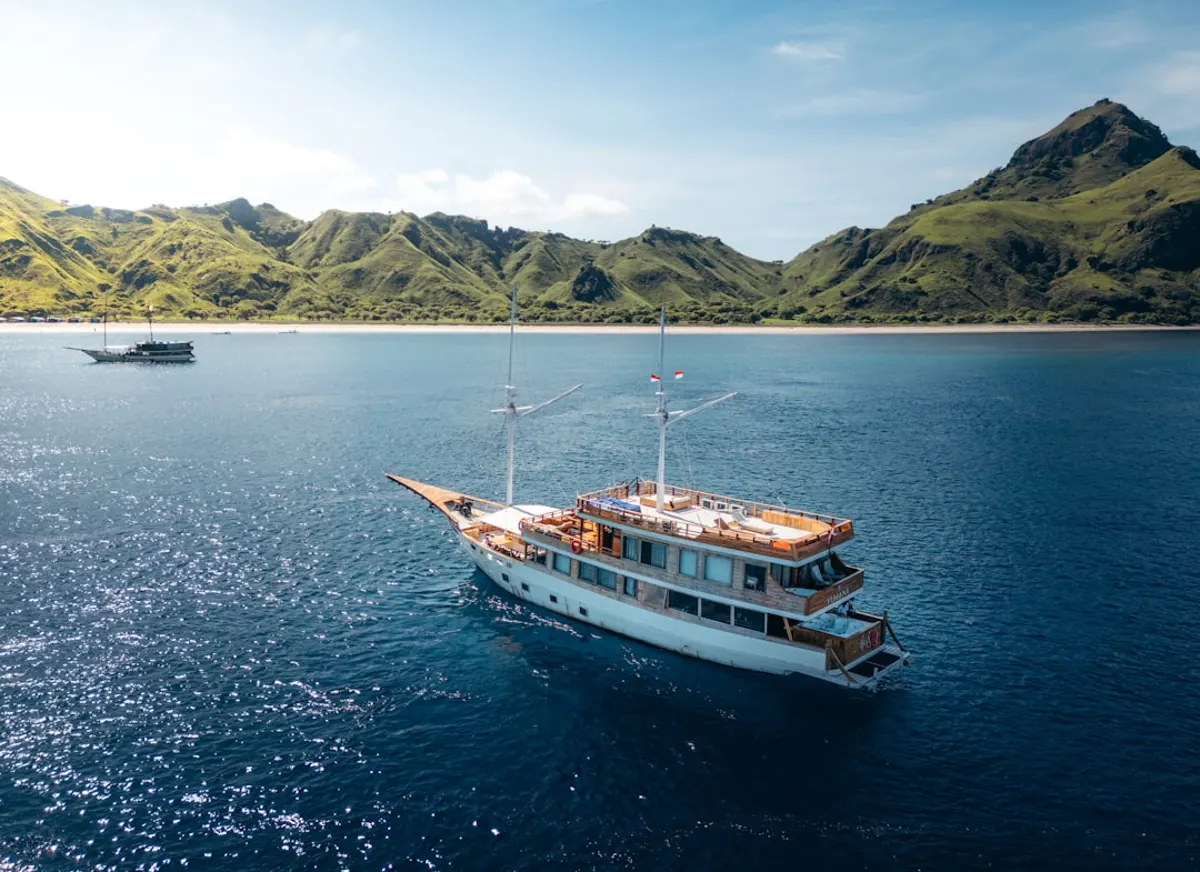
Established in 1980, Komodo National Park spans approximately 1,733 square kilometers and includes a mix of marine and terrestrial habitats. The marine environment is particularly significant, home to over 1,000 species of fish, 260 species of coral, and various species of sea turtles, manta rays, and sharks. The waters surrounding the park are part of the Coral Triangle, making it one of the most biodiverse marine areas on the planet.
Best Diving Sites in Komodo
Komodo National Park features numerous diving sites, each offering unique experiences. Here are some of the top dive sites:
- Castle Rock: Known for its strong currents and vibrant marine life, this site is perfect for experienced divers. Expect to see schools of fish, sharks, and manta rays.
- Crystal Rock: A small, submerged rock that attracts a wealth of marine species. This site is ideal for spotting pelagic fish and colorful corals.
- Komodo Island: Offers a variety of dive sites, including the famous Manta Point, where divers can encounter striking manta rays.
- Pengah Kecil: A lesser-known site that features beautiful coral gardens and a wide range of marine life.
- Rinca Island: Not only known for its land-based Komodo dragons but also for its excellent diving opportunities with rich coral reefs.
Marine Life in Komodo
The marine biodiversity in Komodo is one of its greatest attractions. Here are some species you can expect to encounter:
- Fish: Over 1,000 species, including clownfish, parrotfish, and various types of wrasse.
- Coral: Approximately 260 species of hard and soft coral can be found.
- Mammals: Look out for dolphins and, occasionally, migrating whales.
- Reptiles: Green and hawksbill sea turtles are common in the area.
- Elasmobranchs: Encounter reef sharks, hammerhead sharks, and manta rays.
Best Times to Dive in Komodo
Diving in Komodo can be enjoyed year-round, but certain months offer better conditions:
- Peak Season: April to November is considered the best time for diving, with calm seas and excellent visibility.
- Wet Season: December to March can bring rain, but diving is still possible. Visibility may vary.
- Water Temperature: Ranges from 24°C to 29°C (75°F to 84°F), making it comfortable for diving.
Types of Diving Experiences
Komodo National Park offers various diving experiences to cater to different preferences:
- Liveaboard Trips: Ideal for divers who want to explore multiple dive sites over several days. These trips typically include meals, accommodation, and gear.
- Day Diving: For those short on time, day trips from Labuan Bajo provide access to popular dive sites.
- Snorkeling Tours: Perfect for non-divers, these tours allow you to experience the underwater beauty without diving.
Planning Your Dive Trip
When planning your dive trip to Komodo National Park, consider the following:
- Travel Arrangements: Fly into Labuan Bajo, the gateway to Komodo National Park. Various airlines operate flights from major Indonesian cities.
- Accommodations: Labuan Bajo offers a range of accommodations, from budget hostels to luxury resorts. Booking in advance is recommended, especially during peak season.
- Diving Certification: Ensure you have the necessary diving certifications. Advanced Open Water certification is often required for some dive sites due to currents.
- Insurance: Consider obtaining dive insurance to cover any potential incidents.
Choosing the Right Dive Package
Choosing the right dive package is crucial for an enjoyable experience. Packages vary based on duration, number of dives, and included amenities. Some options include:
- Budget Packages: Typically include basic accommodations and meals, along with a set number of dives.
- Mid-Range Packages: Often include better accommodations, more dives, and additional activities.
- Luxury Packages: Provide high-end accommodations, gourmet meals, and personalized dive experiences.
To find the best options, you can compare packages tailored to your preferences and budget.
Safety and Regulations
While diving in Komodo is generally safe, it’s essential to adhere to safety guidelines:
- Follow Dive Briefings: Always listen to your dive guide and adhere to safety protocols.
- Respect Marine Life: Do not touch or disturb marine creatures and coral. This is not only for your safety but also for the preservation of the ecosystem.
- Legal Status: As a protected national park, all diving activities are regulated. Ensure you dive with licensed operators to comply with local laws.
Essential Planning for Your Komodo Diving Adventure
When preparing for a dive trip to Komodo National Park, it’s crucial to consider the variety of dive packages available that can accommodate different budgets. By organizing your itinerary meticulously, you can fully enjoy the park’s extraordinary marine life and dive sites. Interested in the financial aspect? Explore our flores Diving Pricing & Cost Guide guide or check out Flores Diving for detailed insights.
Additional Dive Sites in Komodo National Park
Komodo National Park is home to an range of diverse dive sites that cater to all levels of divers. Each site offers unique underwater experiences, from vibrant coral gardens to thrilling drift dives.
- Yellow Wall of Texas (South) – Located in the southern part of Rinca, this site features a vibrant wall dive with depths ranging from 5 to 30 meters. The site is known for its colorful soft corals and a variety of nudibranchs.
- Pink Beach (Central) – A popular snorkeling and diving spot, Pink Beach offers a gentle slope with depths of up to 25 meters. Divers can expect to see a variety of small reef fish and healthy coral formations.
- Pillarsteen (Central) – Known for its dramatic underwater topography, Pillarsteen features a series of caverns and swim-throughs at depths of 10 to 40 meters, with abundant marine life including reef sharks and schools of fusiliers.
Diving Conditions and Seasons
Understanding the diving conditions and the best times to visit Komodo National Park can enhance your diving experience. The park’s climate and currents vary throughout the year, influencing water temperature and marine life activity.
- Water temperatures range from 22°C in the south to 28°C in the north, with cooler temperatures typically found during the dry season from May to September.
- Strong currents are a hallmark of Komodo diving, providing nutrient-rich waters that attract an abundance of marine life. Divers should be comfortable with drift diving and aware of rapidly changing conditions.
- The best time to see manta rays is between December and February, when these striking creatures frequent cleaning stations and feeding grounds.
Cost and Logistics
Diving in Komodo National Park offers a range of options to suit different budgets and preferences. Prices can vary based on the type of dive trip, duration, and level of service.
- Day trips from Labuan Bajo typically cost between $100 and $150 USD, including equipment rental, guide fees, and lunch.
- Liveaboard experiences, which offer extended access to remote dive sites, range from $1,500 to $3,500 USD for a week-long trip.
- It’s advisable to book in advance, especially during peak season, to secure your spot and ensure the best rates.